
The global workforce is being reshaped quickly, with 39% of required skills expected to change by 2030, according to the World Economic Forum’s Future of Jobs Report 2025. Enterprise technologies, data and automation are rewriting what employers expect from graduates, and a degree built on theory alone no longer meets that bar. For universities, this creates a clear imperative: bring industry into the classroom. Students need to see how concepts translate into real business applications and build technical competencies that match a changing global workforce. Industry-academia collaboration has moved from an optional extra to a core part of higher education.
This matters because the gap between what graduates learn and what employers need has real consequences. Graduates who understand how enterprise systems work arrive better prepared and contribute faster, employers spend less time retraining new hires, and universities stay relevant to the students and industries they serve. As enterprise platforms sit at the centre of how modern businesses run, hands-on fluency with them has become a clear advantage in the job market.
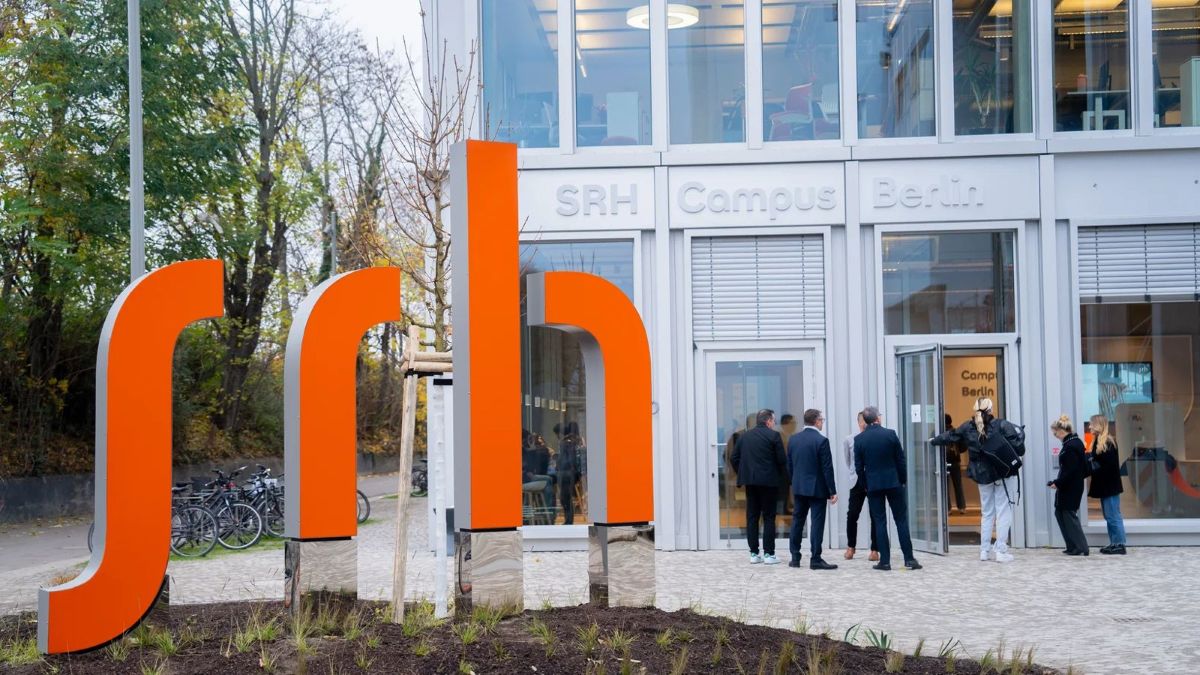
The collaboration between SRH University, Germany and SAP Labs India shows how this can work in practice. The two organisations signed a Memorandum of Understanding, extending their existing partnership and bringing together Germany’s practice-oriented approach to education with India’s growing technology ecosystem. Under the agreement, SAP learning content and certifications will be integrated into existing academic programmes, alongside the joint development of new degree programmes. Students will also have access to certification pathways as part of SRH’s SAP-integrated degrees.
The partnership’s practice-oriented approach is rooted in SRH University’s CORE (Competence-Oriented Research and Education) principle. The model centres on students addressing real-world problems through project-based learning in small cohorts. Embedding SAP competencies in this framework strengthens the link between classroom learning and industry requirements.
As technology reshapes every sector, a degree will be judged by what graduates can do the day they start work. Industry-academia partnerships give students that edge, with enterprise skills, live projects and certifications built into their learning. Universities that make industry a part of the classroom will shape the next generation of job-ready professionals.


