
Vertiv has announced its collaboration with the Indian Institute of Technology Banaras Hindu University (IIT BHU) Varanasi to support the launch of the Undergraduate Research Avenue (UGRA), an initiative by the Department of Electronics Engineering focused on fostering hands-on research and innovation among undergraduate students.
As India accelerates efforts to build a self-reliant semiconductor ecosystem, the need to equip engineering students with practical expertise in chip design and validation has become increasingly important. IIT BHU Varanasi is strengthening its research-driven learning approach through UGRA, an initiative that will support specialised laboratories covering the complete chip design lifecycle: design, validation, prototyping, tape-out preparation, and silicon testing.
Vertiv India is supporting the establishment of an Advanced Hardware Innovation Lab within the IIT BHU Department of Electronics Engineering, enabling procurement of advanced evaluation boards. Students gain practical experience in design validation and prototyping — moving beyond simulations into real-world hardware work.
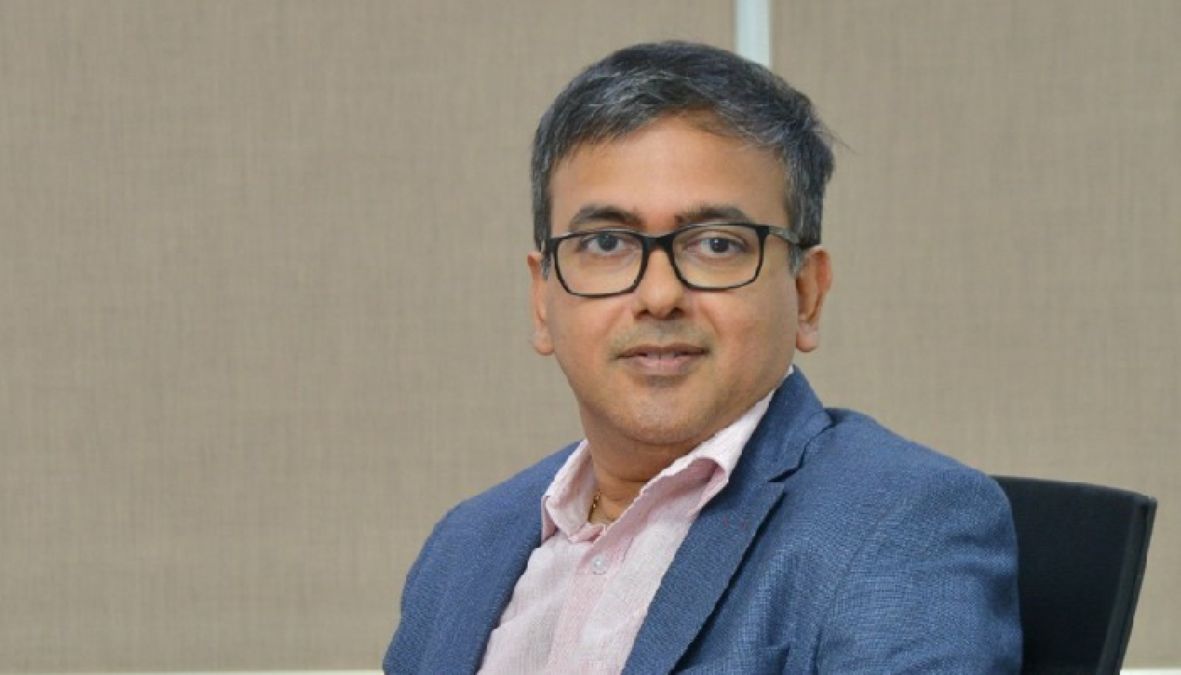
“India’s semiconductor ambitions call for not just infrastructure but a strong pipeline of industry-ready talent. At Vertiv, we believe in enabling the next generation of engineers with access to practical, hands-on learning environments. Our collaboration with IIT BHU reflects our commitment to fostering innovation and supporting initiatives that build critical capabilities in advanced electronics and chip design,” said Subhasis Majumdar, managing director, Vertiv India.
“Several upcoming labs envisioned under UGRA will enable undergraduate students to gain exposure to the complete chip design lifecycle, encompassing design, verification, prototyping, tape-out preparation, and silicon testing. The initiative reflects the institute’s broader vision of fostering a vibrant culture of research, innovation, and entrepreneurship among undergraduate students. By providing early access to advanced infrastructure and research opportunities, UGRA aims to inspire students to pursue core electronics and semiconductor technologies while exploring diverse pathways in research, higher studies, and technology-driven entrepreneurship. We believe that such initiatives will play a vital role in developing the next generation of innovators and leaders in the semiconductor ecosystem,” said Prof. Amit Patra, director, IIT (BHU) Varanasi.
“Bridging the gap between theoretical knowledge and real-world application is essential in today’s fast-evolving technology landscape. Through the Advanced Hardware Innovation Lab, students build valuable skills in validation and prototyping, preparing them to contribute meaningfully to the semiconductor ecosystem,” said A S Prasad, vice president product management and engineering, Vertiv.
“We are grateful to Vertiv for its support and to our alumni for their continued engagement in strengthening the institute’s research ecosystem. Such collaborations play a vital role in creating meaningful opportunities for our students and advancing innovation at the undergraduate level,” said Prof. Hiralal Parmanik, dean of alumni and resources, IIT BHU Varanasi.
The Undergraduate Research Avenue is expected to become operational from the upcoming academic year and is envisioned as a significant step toward strengthening India’s semiconductor talent pipeline by deepening undergraduate engagement in advanced research and innovation.