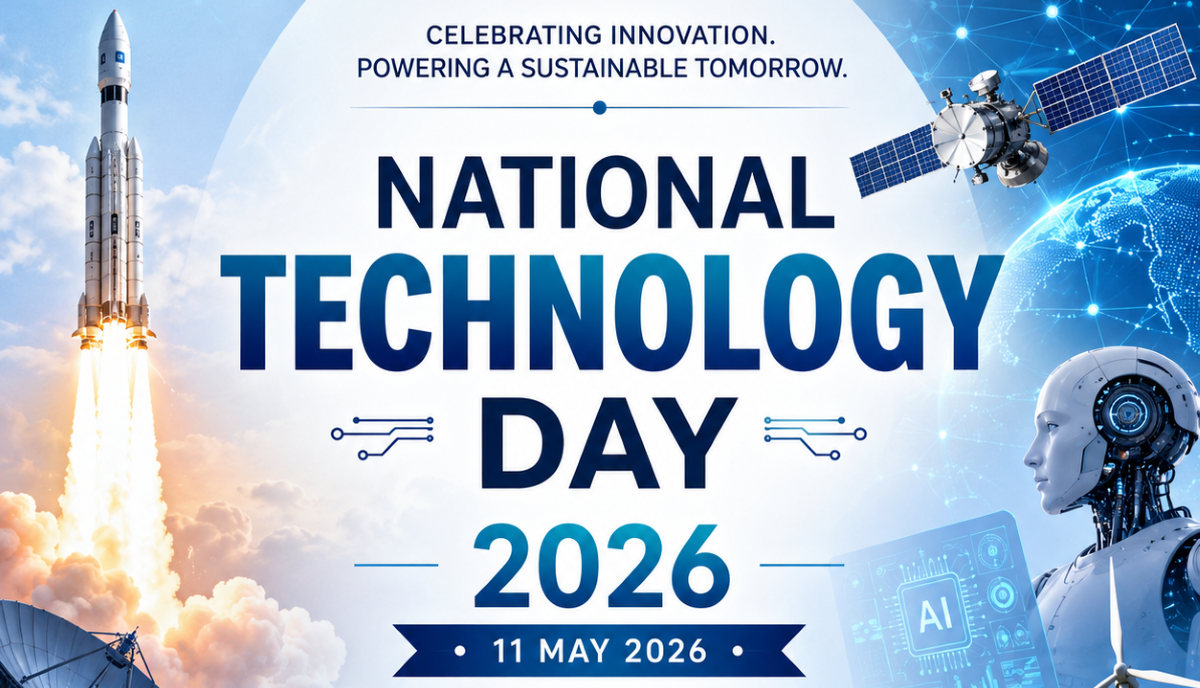
National Technology Day, observed on 11th May every year, is celebrated to commemorate the successful nuclear test at Pokhran in the Indian state of Rajasthan in 1998 and mark significant achievements in science and technology, emphasizing its pivotal role in solidifying the nation’s position as a global leader in technological innovation.
National Technology Day 2026: Here’s what some industry experts say:
Sooraj Balakrishnan, Associate Director & Head of Marketing, Acer India

“National Technology Day reminds us that innovation must serve a larger purpose, while celebrating India’s technological progress and spirit of self-reliance. The theme ‘Responsible Innovation for Inclusive Growth’ reminds the need to build technology that is advanced, yet accessible and equitable. At Acer India, we believe true progress lies in bridging digital divides and empowering communities through purposeful innovation. As technology reshapes every aspect of life, responsibility must remain central, ensuring solutions are scalable, sustainable, and inclusive. The real impact of innovation will be measured not just by what we create, but by how many lives we uplift.”- Sooraj Balakrishnan, Associate Director & Head of Marketing, Acer India.
Ranga Jagannath, Senior Director – Growth, Agora

“India’s digital ecosystem is entering a phase where responsiveness is becoming as important as reach. Whether it is a customer resolving a query instantly, a patient accessing remote consultation, or a user navigating services in their preferred language, expectations have shifted toward interactions that are immediate, reliable, and intuitive. AI is playing a central role in enabling this shift, but it also brings governance, security, and accountability into sharper focus as these systems become deeply embedded in everyday use.
The challenge is to ensure these systems work reliably and fairly at scale. Concerns around accuracy, bias, and misuse are becoming more visible, especially in a diverse environment where connectivity, device capability, and digital literacy vary widely. This makes it critical to build systems that are secure, transparent, and consistent in performance.
At Agora, we see Conversational and Voice AI becoming foundational to how people engage with businesses, services, and digital platforms. From enabling real-time multilingual interactions to powering intelligent, context-aware experiences that feel natural and intuitive, these technologies are reshaping communication at scale. Our real-time engagement and AI capabilities are designed with reliability, low latency, security, and trust at their core, ensuring meaningful and inclusive interactions across diverse user environments. On National Technology Day, it is important to recognise that technology delivers the greatest impact when it enhances human connection, expands accessibility, and works seamlessly for the people it is designed to serve.”
Sandip Weling, Whole-time Director and Chief Business Officer, Global Retail, Aptech Limited
“National Technology Day highlights the growing need to make technology impactful, accessible, responsible, and industry relevant. India’s rapidly expanding creator economy, with roughly 2 million+ creators influencing more than USD 350 billion in consumer spending, reflects how technology is opening new-age career and entrepreneurship opportunities for young talent. At the same time, government initiatives such as the introduction of AVGC labs across schools and institutions are helping build a stronger future-ready talent pipeline for the creative careers. As AI continues to transform content creation, animation, and storytelling, it is crucial to promote responsible innovation by encouraging originality, intellectual property rights, and creating greater awareness around security and copyright practices. Through our training brands, Aptech is focused on strengthening industry-integrated learning, expanding access to emerging technology education, and preparing students with future-ready skills across AI, AVGC-XR, virtual production, and creator-led industries. Our aim is to bridge the gap between education and employability while contributing to a more responsible, innovation-driven, and globally competitive creative ecosystem.” – Sandip Weling, Whole-time Director and Chief Business Officer, Global Retail, Aptech Limited.
Anuradha Natarajan, Head of Technology Strategy and Engineering Operations, Altimetrik
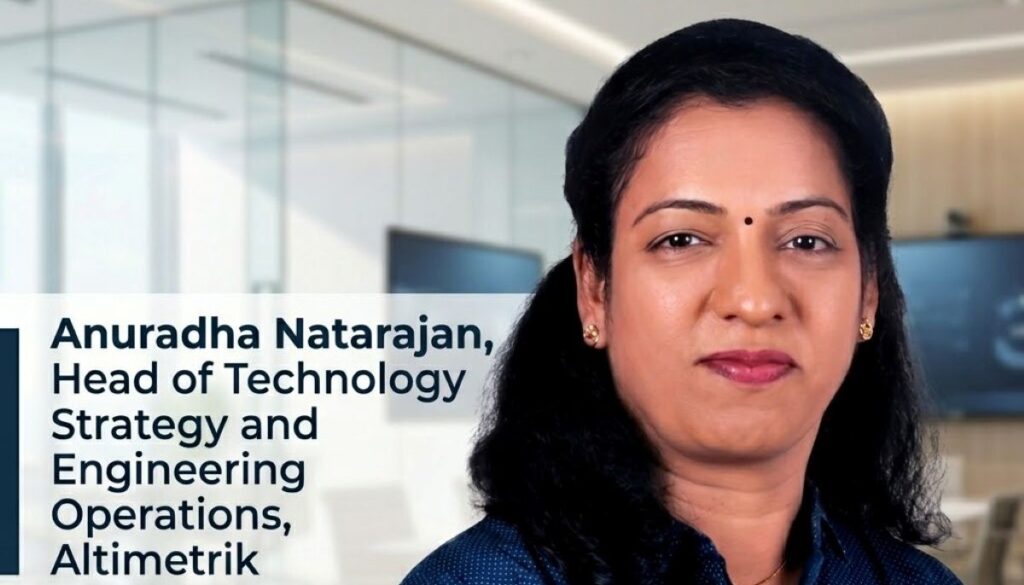
“AI is emerging as the next defining layer of India’s technology journey, moving beyond experimentation to actively shaping decisions, operations, and outcomes at scale. As the country builds on its legacy of large-scale digital innovation, this shift marks a transition from enabling access to driving intelligent, real-time impact across industries.
However, with AI influencing areas such as finance, healthcare, and public services, the risks are becoming more consequential. Gaps in governance, data quality, and security are no longer technical limitations but systemic challenges that can impact trust, fairness, and resilience. Many organizations today are accelerating AI adoption without fully addressing accountability, creating blind spots around bias, explainability, and control.
Addressing this requires a fundamental reset. AI must be built with strong data foundations, transparent decision-making, and secure-by-design architectures. Equally important is ensuring inclusivity, designing systems that work across diverse populations and do not deepen existing divides.
At Altimetrik, the focus is on helping enterprises industrialize AI responsibly by embedding governance, risk management, and engineering discipline into every stage of the lifecycle, enabling scale without compromising trust.
On National Technology Day, as we reflect on the theme ‘Responsible Innovation for Inclusive Growth,’ the opportunity ahead lies in shaping AI that is not only transformative, but also accountable, inclusive, and built to deliver sustainable impact at scale. “
Ajay Kharbanda, CEO, Arinox AI

“On National Technology Day, we must confront an uncomfortable truth. Technology that can’t be trusted can’t be scaled. And technology that cannot be deployed sovereignly cannot be called strategic.
India’s AI ambitions particularly in defense, critical infrastructure, and governance demand more than imported intelligence running on foreign clouds. They demand AI that is sovereign in deployment, secure for enterprise processes and intellectual property, and accountable in operation. The era of black-box AI handed down from third-party vendors running on the cloud must give way to systems that government agencies and defense establishments can own, audit, and adapt.
The shift is already underway. AI-in-a-box sovereign deployments, multilingual voice interfaces that bridge the urban-rural gap, real-time decision intelligence at the edge, are operational realities, and India is building them.
But technology alone will not deliver inclusive growth. It requires deliberate policy, procurement reform, and an industry that prioritizes sovereignty. As AI becomes central to national security and public service delivery, the responsibility on builders grows exponentially.
This year’s theme, “Responsible Innovation for Inclusive Growth” is a strategic imperative that signals the need for sovereign AI that is accessible to organizations across the board. Sovereign AI capability is not just a nice-to-have technology. It is the foundation of a self-reliant, resilient, and equitable digital India.” – Ajay Kharbanda, CEO, Arinox AI
Vinod Babu Bollikonda, Managing Director & Group CEO, Blue Cloud Softech Solutions Limited
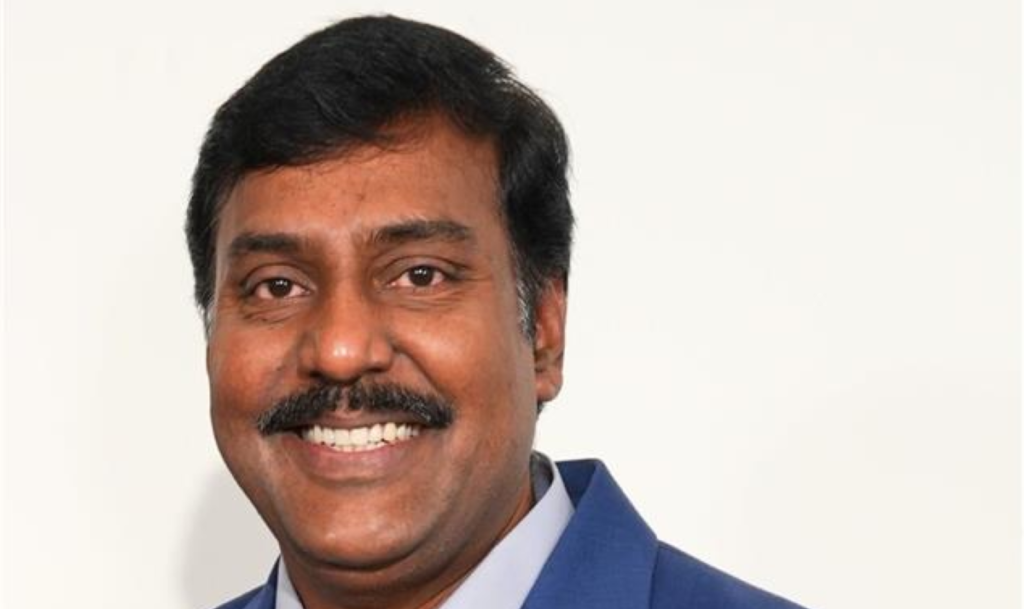
“On National Technology Day, the focus must shift from simply advancing technology to using it responsibly. With AI and digital systems shaping real-world outcomes, prioritising ethical use, efficiency, and sustainability is no longer optional, it is essential to building trust and lasting impact. This also means ensuring data privacy, reducing bias in AI systems, and building transparency into how technology operates. At Blue Cloud Softech Solutions Limited, this translates into building solutions that are not only high-performing but also accountable and inclusive, ensuring technology drives meaningful and equitable growth. At the core of our approach is a simple belief: performance and responsibility must go hand in hand, because at India’s scale, trust will be the true measure of technological success.” – Vinod Babu Bollikonda, Managing Director & Group CEO, Blue Cloud Softech Solutions Limited.
Arif Khan, India Sales Director, Colt DCS

“Digital infrastructure is no longer a support function; it is becoming the core architecture on which economic growth, industrial competitiveness, and AI capability will depend for decades. Nations that approach it with long-term strategic intent, grounded in energy efficiency, resilience, and sovereign control, will retain the flexibility to shape their futures, while those that treat it as a procurement exercise risk embedding structural dependencies.The acceleration of AI has made data infrastructure a strategic asset. For India, the focus must be on expanding capacity in alignment with domestic realities such as energy availability, resource constraints, and development priorities. The strength of a digital economy will increasingly reflect how well these fundamentals are integrated into infrastructure decisions. Self-reliance in technology is the ability to make independent, informed choices at scale, built through depth of capability rather than isolation. This calls for a disciplined approach to trade-offs, ensuring that digital expansion does not strain energy systems or compromise long-term growth. Sustainable digital infrastructure is therefore a strategic imperative, with outcomes defined by the quality and durability of decisions taken today.” Arif Khan, India Sales Director, Colt DCS.
Balaji Rao, Area Vice President, India & SAARC at Commvault

“As innovation accelerates across AI, digital infrastructure, and advanced computing, National Technology Day reinforces the growing importance of resilience and trust in shaping sustainable progress. Organizations today are navigating an increasingly complex digital landscape, where modernization efforts must be supported by strong foundations of data integrity, governance, and cyber resilience to deliver secure, reliable, and long-term outcomes.
In this environment, advancement and resilience must go hand in hand. Building future-ready digital ecosystems requires systems that are secure, transparent, and recoverable by design, supported by a unified approach where data protection, cyber recovery, and identity resilience work together to ensure continuity and confidence, even in the face of disruption. This becomes especially important in a diverse and rapidly digitizing market like India, where inclusive growth depends on the reliability and trustworthiness of digital ecosystems.
At Commvault, we see resilience as a foundational enabler of responsible innovation, helping organizations protect what matters, recover quickly, and scale technology with confidence while ensuring that progress remains both inclusive and sustainable.”- Balaji Rao, Area Vice President, India & SAARC at Commvault
Sumit Singh,Co-founder & CEO of DashLocal by DashLoc
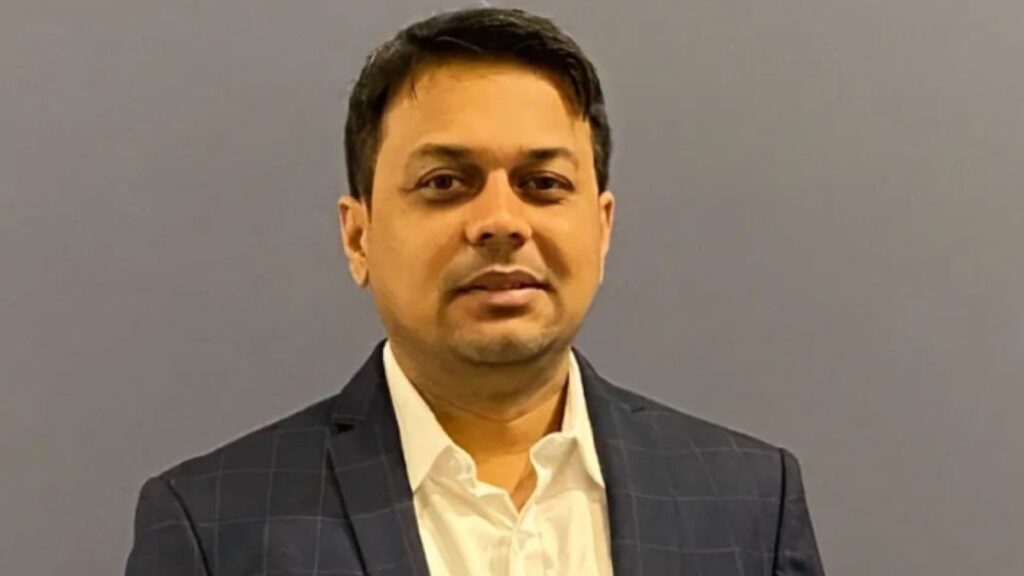
“On National Technology Day, it is clear that technology is reshaping how businesses are discovered, experienced, and trusted in an increasingly digital first world. For enterprises with physical locations, visibility is no longer just about presence, it is about being found at the right moment with the right context. With the rise of artificial intelligence and real time data, hyperlocal discovery is becoming more intelligent, predictive, and deeply connected to customer intent. Businesses today are not just managing operations, they are managing conversations, reputation, and experience across every touchpoint. At DashLocal by Dashloc, we are using technology to help brands turn everyday interactions into meaningful growth signals, enabling them to stay visible, responsive, and relevant in the moments that matter most. The future belongs to businesses that can combine digital intelligence with local presence to create seamless and consistent customer experiences at scale.” – Sumit Singh,Co-founder & CEO of DashLocal by DashLoc.
Prasad Panchagnula – MD & Chief Business Officer at Embark

“GCCs have moved decisively from AI experimentation to enterprise-scale adoption, with centres now investing in Agentic AI and a growing number establishing dedicated innovation teams to globalise ideas. That signals a clear shift in capability.
However, capability alone does not equate to responsibility. As organisations scale AI, the real challenge is no longer deployment, but clarity and understanding where AI is creating measurable value, how it is being used across workflows, and whether it is being governed effectively. Responsible AI 2.0 demands transparency, governance, and ethical assurance through continuous validation and the ability to connect AI activity to business outcomes.
The most successful GCCs today are moving towards hybrid agentic operating models, where human expertise and autonomous systems work in tandem. In these environments, human teams define strategic intent, establish guardrails, and ensure accountability, while AI drives execution at scale. Getting that balance right, across geographies, functions, and evolving use cases is where India’s GCCs are being truly tested. At Embark, we believe responsible innovation must be engineered into the system from the outset. When we build GCCs, we integrate technology, governance, and measurement into a single operating framework as inclusive growth will not come from access to AI alone, but from the ability to scale it responsibly, transparently, and with clear impact.”- Prasad Panchagnula – MD & Chief Business Officer at Embark
———————-
Vikrant Payal, Senior Director, AI COE – Engineering, Epsilon India

“This National Technology Day, we reflect on how the last few years have drastically reduced friction in the journey from development to deployment. At the same time, AI has empowered business users to demand more and demand it faster.
In such a frictionless system, risk does not disappear. It multiplies. The only way to avoid chaos and ‘death at prototype’ is maintaining a sharp focus on the purpose and intended value of the solution. We have replaced friction with feedback. Fast intentional feedback has been our compass, helping us turn velocity into value.
This is a fundamental shift from the traditional SDLC. We now build in constant dialogue with our users, learning early, correcting quickly, and staying relentlessly focused on purpose. This is not simply a faster software lifecycle, but something more powerful, a continuously active business enablement lifecycle, always learning, always evolving.
This is not a phase or a methodology. It is a mindset. And it defines how we will continue to build meaningful technology in an AI first world.”- Vikrant Payal, Senior Director, AI COE – Engineering, Epsilon India
Tushad Talati, Director – Brand & Communication at Epson India Pvt. Ltd.
“As businesses increasingly prioritise responsible and energy efficient operations, sustainability is becoming a key driver of technology innovation. At Epson, this philosophy is reflected in our solutions that are engineered to deliver high performance while minimising the environmental impact. For instance, Epson’s proprietary Heat-Free Technology consumes significantly less power compared to conventional laser printing technology, transforming the way people print at home and in offices and has helped Epson becoming India’s No.1 Inkjet printer brand. Beyond home and office printing, Epson’s digital printing technologies are enabling industries such as textiles and labels to adopt more sustainable production practices through on-demand printing, reduced water consumption and lower material wastage, while improving overall operational efficiency without compromising on quality. Going forward, we remain committed to developing technologies that help businesses achieve productivity and sustainability goals together.”
Govind Rammurthy, CEO & Managing Director, eScan

“India’s technology self-reliance requires building capabilities others won’t share – especially in cybersecurity. AI tools discovering 271 Firefox vulnerabilities demonstrate technology’s dual nature: strengthening defenses or weaponizing attacks depending on control.
Responsible innovation means mandatory disclosure timelines requiring AI researchers to share findings with developers before publication, strict guardrails preventing LLMs from generating functional exploit code, and ensuring open-source models undergo the same scrutiny as proprietary systems.
Inclusive growth happens when cybersecurity innovation protects small businesses and government agencies equally, not just enterprises. India needs indigenous AI-powered security addressing actual Indian threats – regulatory compliance, regional patterns, and local constraints – rather than importing foreign solutions designed elsewhere.”– Govind Rammurthy, CEO & Managing Director, eScan
Piyush Jha, Group Vice President and Head – APAC, GlobalLogic
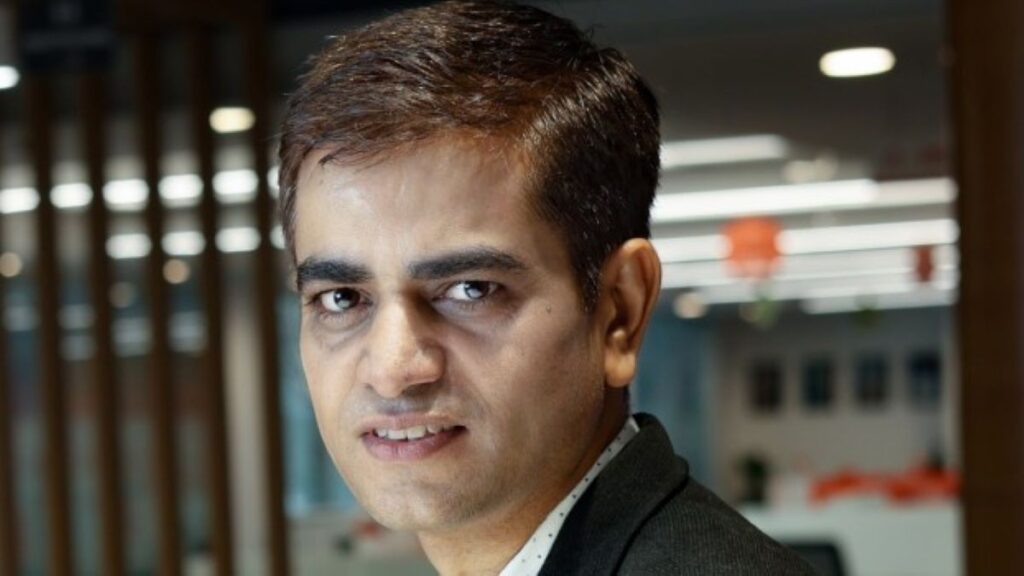
“As AI moves from digital interfaces into the physical world, responsible innovation is no longer optional; it becomes foundational. This year’s National Technology Day marks a decisive inflection point for India, where the conversation is rapidly shifting from capability to control. The emergence of advanced systems, including vulnerability-discovery models, has underscored the real risks of AI operating on legacy and mission-critical infrastructure, accelerating the need for stronger guardrails, regulatory oversight, and industry-wide governance frameworks.
As physical and agentic AI begin to interact with real-world systems, the convergence of software, data, and machines introduces new dimensions of risk, ranging from systemic failures to amplified vulnerabilities at scale. This demands that governance is not layered on after deployment, but engineered into the core through secure architectures, real-time observability, and accountable AI frameworks.At GlobalLogic, we have been building and scaling AI long before it became mainstream, embedding intelligence deep into engineering, platforms, and real-world systems. Today, with over 75 AI-powered solutions, 200+ AI-enabled client engagements, and nearly half of our business augmented by AI, our focus is on engineering differentiation that translates into real-world impact. Equally, we are investing in transforming talent at scale through platforms like GLX, driving over a million learning hours and delivering measurable gains of 10–30% across efficiency, cost, and retention through AI-led skilling. For us, the future of innovation will not just be defined by how intelligent systems become, but by how responsibly they are engineered, ensuring AI moves from insight to action in a way that is safe, resilient, and trusted by design.” – Piyush Jha, Group Vice President and Head – APAC, GlobalLogic.
Subhakar Pappula, Founder & CEO, Flamingo Aerospace

“As India marks National Technology Day 2026, the country’s innovation ambitions are increasingly being reflected in sectors with long term strategic impact. Among them, civil aviation is emerging as a pivotal frontier for translating connectivity into capability. India has already operationalised over 500 regional routes under UDAN, unlocking sustained demand across Tier 2 and Tier 3 cities. The next logical step is to build the aircraft that will serve this demand.
With India on track to become the world’s third largest aviation market, the requirement for 60 to 80 seat regional aircraft is expected to rise sharply over the next decade. This presents a strategic opportunity to develop a domestic manufacturing ecosystem spanning airframes, avionics integration, interiors, and MRO. What is encouraging in 2026 is the shift towards more structured technology transfer models and deeper collaboration between global OEMs and Indian industry, enabling capability building rather than just assembly.
At Flamingo Aerospace, we see this as a defining decade. The focus must now move towards design ownership, digital engineering, and supply chain resilience to ensure that value creation remains within India. Building indigenous regional aircraft is not only about reducing import dependence, but about creating scalable, cost efficient solutions for emerging aviation markets globally. If India can align policy, capital, and engineering talent effectively, it has the potential to become a credible hub for civil aircraft manufacturing and a key pillar of a truly innovation led Viksit Bharat.” – Subhakar Pappula, Founder & CEO, Flamingo Aerospace
Yashas Khoday, Co-Founder and CPO, FYERS

“National Technology Day is a reminder that the next phase of India’s financial evolution will not be driven by access alone, but by capability. Over the last few years, millions of Indians have entered the markets. But participation without powerful technology creates an uneven playing field. For a long time, institutional grade trading platforms and infrastructure remained accessible only to a small segment of the market. At FYERS, we believe serious retail traders deserve the same quality of technology as institutions. Responsible innovation, in our world, means building systems that traders can trust during the most demanding market conditions whether it is expiry-day volatility, high-volume sessions, or strategy automation at scale.The real opportunity for Indian fintech now is not just bringing more people into the markets, but empowering them with better tools, better infrastructure, and greater control over their financial decisions.” – Yashas Khoday, Co-Founder and CPO, FYERS
Sachin Panicker- Chief AI Officer, Fulcrum Digital

“National Technology Day is an opportunity to reflect not just on how far we have come in innovation, but on how responsibly we are shaping the next phase of technological progress. In today’s AI-first world, technology is no longer an enabler on the sidelines, it is core infrastructure powering how enterprises operate, make decisions and deliver value.As organisations accelerate adoption of AI, data and cloud, the conversation must evolve from innovation to accountability. Building intelligent systems at scale requires equal focus on governance, trust and safety. The real challenge is not deploying AI, but ensuring it is reliable, explainable and aligned with business and societal outcomes. At the same time, cybersecurity is no longer a support function, it is a business imperative. AI-driven threats are reshaping enterprise risk, making resilience and proactive defence critical to sustaining digital growth.We are also seeing a shift from traditional digital transformation to intelligent, autonomous operations, where systems are not just automated but adaptive. The organisations that will lead in this next phase are those that treat technology not just as a tool for efficiency, but as a foundation for responsible, resilient and future-ready growth.” –Sachin Panicker- Chief AI Officer, Fulcrum Digital
Sivakumar Ekambaram, India Site Leader, GoTo
“Responsible innovation is no longer about what we build, but who it truly reaches and enables. In a market as diverse as India, technology must be designed to include, not exclude. That calls for solutions that are simple to adopt, secure by design, and accessible to businesses at every stage of their digital journey.
At GoTo, we are seeing AI move from experimentation to everyday utility. When applied thoughtfully, AI can take on repetitive IT tasks, speed up issue resolution, and help teams stay focused on higher-value work. The real impact lies in making these capabilities intuitive and reliable, so they support both technical and non-technical users without adding complexity.
Cloud communications and IT support have become the foundation of distributed work. As organizations scale across locations, the focus must remain on reducing friction and strengthening trust. Inclusive growth will come from ensuring that advances in AI and cloud technology translate into tangible improvements in how people work, collaborate, and stay productive.”
Naresh Agarwal, SVP, Engineering, India, Harness

Technology has reached a point where the question is no longer how fast we can innovate, but whether innovation itself is moving in the right direction. As AI, automation, and intelligent systems become deeply embedded into how industries operate, responsible innovation becomes less of a principle and more of a necessity.
The real challenge today is not the pace of technological advancement, but ensuring that scale does not outpace accountability. Systems are becoming more autonomous, decisions increasingly data-driven, and digital infrastructure now shapes everything from access and opportunity to trust and security. In that environment, innovation cannot be measured only by efficiency or output. It has to be evaluated by its ability to create systems that are resilient, transparent, and built for long-term impact, with Responsible AI becoming critical to ensuring that intelligence is guided by trust, oversight, and accountability at scale.
Inclusive growth is central to that conversation. Technology only becomes truly transformative when access to opportunity expands alongside it and when innovation is enabled across geographies, communities, and talent pools, rather than concentrated within a few ecosystems. Some of the most globally relevant technology today is being shaped by diverse teams operating from entirely different contexts and perspectives, and that diversity is leading to systems that are more adaptable, practical, and representative of real-world needs.
The next phase of innovation will depend on how intentionally we balance progress with responsibility. The focus can no longer be on building technology simply because we can, but on building systems that create lasting value, expand access, and strengthen trust at scale.
Sanjay Agrawal, Head Presales and CTO, Hitachi Vantara India and SAARC
“As India marks National Technology Day 2026, the narrative is evolving from digital adoption to digital leadership. The country is rapidly emerging as a key pillar of the global innovation architecture, powered by its scale of data, depth of talent, and the maturity of its digital infrastructure.
At the heart of this shift is the recognition of data as critical national infrastructure. As enterprises and governments move from fragmented systems to unified, AI-ready data platforms, the focus is turning to how data can be activated in real time to drive intelligent decision-making. This is also accelerating industrial digitization across manufacturing, energy, and mobility, where the convergence of IT and OT is enabling greater efficiency, resilience, and operational agility. AI, in this context, is no longer experimental but embedded into core processes, delivering tangible economic outcomes.
Looking ahead, India’s growth trajectory will be defined by how effectively it governs and scales this data ecosystem with trust, sustainability, and inclusivity at its core. Building a resilient innovation ecosystem will require deeper alignment across policy, platforms, and partnerships. Done right, India is uniquely positioned not just to participate in global technology shifts, but to shape them and set new benchmarks for inclusive, data-led growth.”- Sanjay Agrawal, Head Presales and CTO, Hitachi Vantara India and SAARC
Ashish Tandon, Founder & CEO, Indusface
“Every National Technology Day, we tell ourselves a familiar story. Indian tech is at an inflection point, AI will disrupt everything, the future belongs to the bold. The story I’d rather tell is more specific. AI is going to create more digital doorways into businesses in the next three years than the internet did in its first twenty. Every agent, every API, every automated workflow is a new way for hackers to get in. Companies like OpenAI and Anthropic will ship the models. Someone has to make sure enterprises can deploy them without handing attackers the keys. That isn’t a constraint on innovation. It’s the precondition for it. The Indian technology firms that understand this won’t just survive the AI shift. They’ll define the category that comes out of it: security and trust, delivered at machine speed.” Ashish Tandon, Founder & CEO, Indusface.
Girish Hirde, Global Delivery Head at InfoVision
“Today, technology has reached a stage where its true test is not in what it can do, but in what it chooses to solve. At InfoVision, the belief is that intelligence without direction only amplifies noise, while intelligence guided by intent reshapes industries. Artificial intelligence, cloud, and data are no longer instruments of efficiency, they are instruments of judgment, influencing how enterprises perceive risk, opportunity, and growth. The difference now lies in the discipline to ask better questions before building faster answers. On this National Technology Day, our focus should be on building systems that make decisions traceable, outcomes predictable, and value impossible to ignore.” – said Girish Hirde, Global Delivery Head at InfoVision.
Dr. Preet Sandhu, Founder, AVPL International & Promoter, iQuantara

“On National Technology Day, India’s technology narrative is clearly shifting from software strength to deep tech leadership. The real opportunity lies in the convergence of AI, drones, and semiconductors – sectors that are not only driving innovation but also defining national capability. While rapid advancements in drones and AI signal strong momentum, their long-term scalability will depend on building a resilient, indigenous semiconductor ecosystem. For India, tech sovereignty is not just about innovation, but about owning the entire value chain. The focus now must be on enabling startups with patient capital, strengthening R&D, and ensuring consistent policy execution to turn this $100 billion opportunity into a sustainable global advantage.” – Dr. Preet Sandhu, Founder, AVPL International & Promoter, iQuantara.
Chetan Jain, Managing Director, Inspira Enterprise
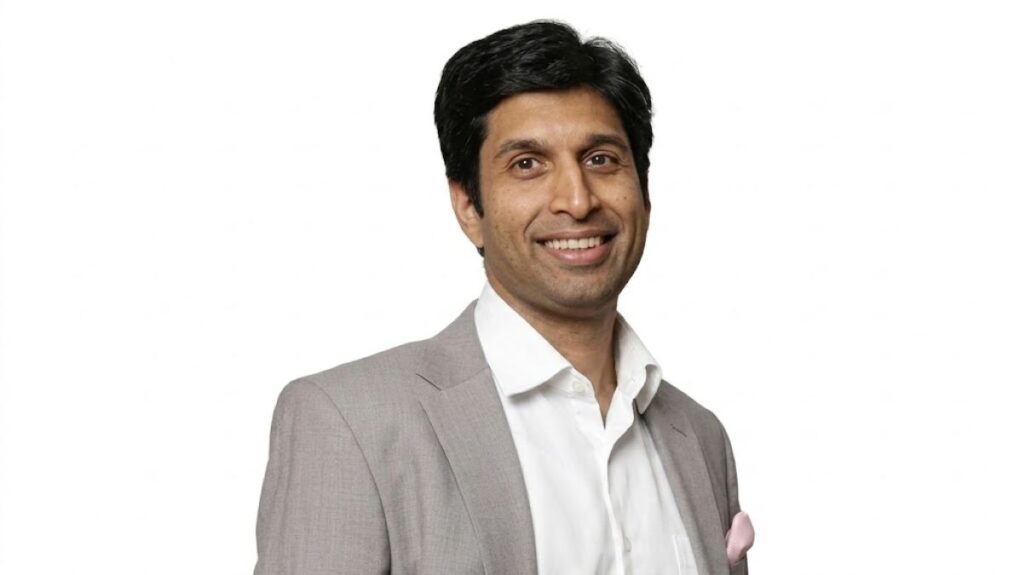
“On this National Technology Day, we celebrate the spirit of innovation in establishing a more connected and secure future in today’s digital world.
Organizations must protect themselves from the constant, ongoing onslaught of AI-powered, sophisticated cyber threats and remain resilient.The only way forward is by committing themselves to AI-specific security measures to stay safe.
At Inspira, we are committed to empowering organizations across sectors with advanced, AI-driven technologies to secure future-ready digital ecosystems that enhance resilience and support sustainable growth.”
Deepak Dastrala, Chief Technology Officer, IntellectAI
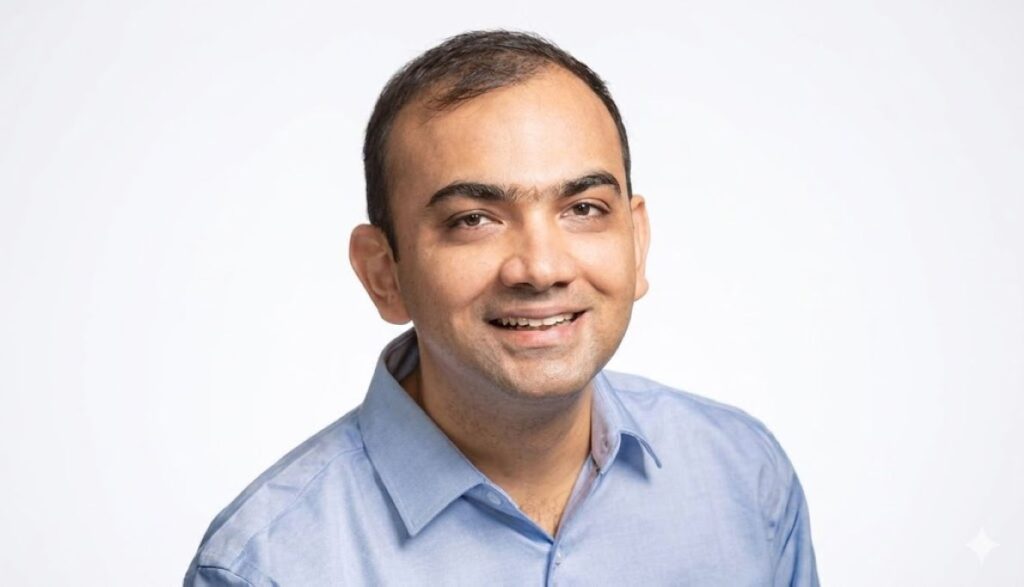
“National Technology Day highlights the growing need for trusted, scalable innovation that delivers measurable business outcomes. As enterprises accelerate AI adoption, the industry is shifting from experimentation and pilots to Business Impact AI, in which organisations embed AI into core business operations to drive faster decision-making, operational resilience, compliance, and customer-centric growth.
For regulated industries, AI can no longer remain at the edge of the enterprise. It must operate safely, reliably, and measurably within existing systems, controls, and decision-making processes, with governance, auditability, and trust built in from the start. At Intellect, we believe the future of enterprise transformation will be driven by Business Impact AI. With the emergence of ‘Enterprise AI on Tap’ and platforms such as Purple Fabric, organisations now have access to judgment-centric, governance-ready AI capabilities that can be securely deployed at scale across critical enterprise workflows.
As AI adoption matures, trust, sovereignty, explainability, and compliance will become foundational to how enterprises build and operationalise AI. India’s innovation ecosystem is well-positioned to lead this transition by developing globally relevant, enterprise-grade AI solutions that combine responsible innovation with scalable, inclusive business impact. The next phase of growth will belong to organisations that can operationalise trusted AI with speed, intelligence, and purpose.”
Praveer Kochhar, Co-Founder & CPO, KOGO AI

“National Technology Day is a moment for the AI industry in India to ask itself one defining question, “Are we building AI that serves everyone or only those who can really afford to lead?”
While the world is busy focusing on frontier models and raw intelligence, at KOGO AI, we firmly believe that the future belongs to those building governed intelligence or systems that are private by design, accountable by architecture and inclusive by intent. Agentic AI is already automating entire departments, compressing decision cycles from weeks to seconds. But automation without equity is merely concentration of power dressed in the language of innovation.
India is in a unique position currently. We have the talent, the scale, and increasingly, the indigenous capability to not just adopt global AI but to define what responsible AI looks like for 1.4 billion people. That means building platforms that protect data sovereignty, empower enterprises, and function in regional contexts.
The question for this decade is not whether AI transformation will be broad or narrow, opaque or inclusive. Responsible innovation demands we choose broad and inclusive. Every time.“
S K Venkataraghavan, Director of Solutions and Services Group (SSG), Lenovo India, Lenovo
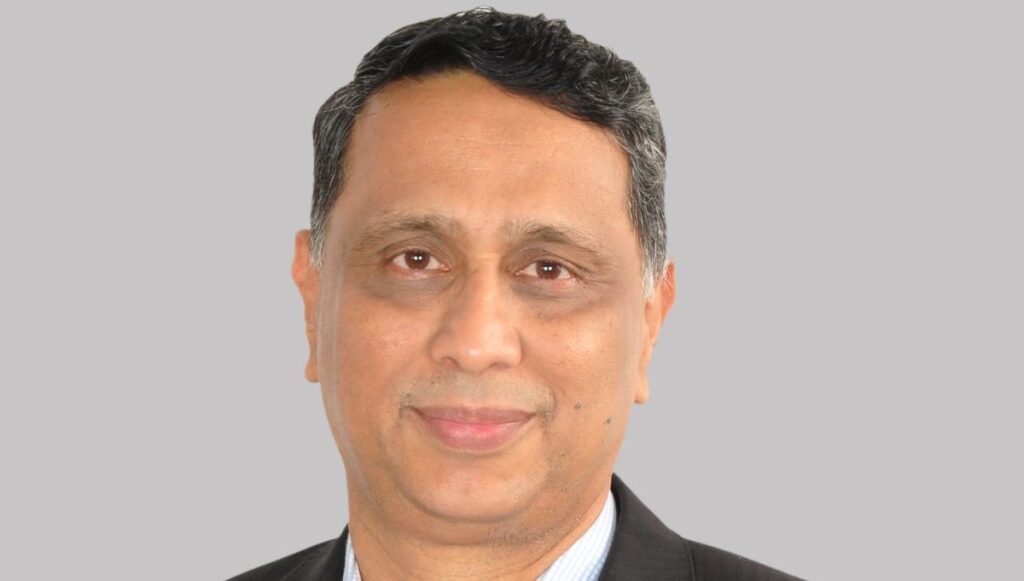
“This National Technology Day, we celebrate not just India’s technological legacy, but the momentum of a nation actively shaping the AI era. India is at a decisive point in its AI-led techade, which is moving faster and cutting deeper. The Lenovo CIO Playbook 2026 reveals that 99% of Indian enterprises plan to increase their AI investments over the next 12 months, with budgets growing at the fastest pace across Asia Pacific. That is not an incremental shift, it is a supercycle in motion. What makes this moment especially significant is the nature of the change: AI is no longer being piloted, it is being industrialized. Enterprises across manufacturing, retail, sports and other sectors are moving from experimentation to full-scale production, prioritizing real outcomes over proof-of-concepts. With nearly three dollars expected in return for every dollar invested, AI is fast becoming core business infrastructure. At Lenovo, our ‘Smarter AI for All’ vision is grounded in the commitment that this technology must be accessible, responsible, and outcome-driven, for every enterprise and every individual. Our full-stack Hybrid AI portfolio, including Lenovo Agentic AI and the Lenovo xIQ platform, delivers the end-to-end lifecycle capabilities enterprises need to build intelligent workflows, automate decisions, and achieve tangible operational results. With its engineering depth, expanding digital infrastructure, and a builder’s hunger for innovation, India is uniquely positioned to democratize AI for the real world as an architect of this shift. Lenovo is a committed partner in that journey.” – S K Venkataraghavan, Director of Solutions and Services Group (SSG), Lenovo India, Lenovo
Rohit Badri, Group Associate Director of Risk & Compliance, Neokred

“On National Technology Day, India celebrates technological breakthroughs and also the invisible architecture that makes them enduring. At Neokred, we see trust and compliance as the bedrock of the digital infrastructure we provide. The nation itself stands as a perfect example of how trust drives both technological leaps and public reception. World-renowned innovations like UPI brilliantly showcase its power. What began as a digital payments revolution has scaled to 19 billion monthly transactions because trust was engineered from day one.
As digital infrastructure providers, we at Neokred imbibe these same time-tested principles that have propelled India forward. We view compliance frameworks like DPDP not as hurdles, but as powerful enablers of large-scale adoption of technology like ours. This approach has worked exceptionally well for us, fostering deep trust in the Neokred brand and our products.
This year’s National Technology Day theme,” responsible innovation for inclusive growth,” perfectly captures this stand. It reminds us that while innovation grabs headlines, trust is what builds empires. And it is paramount that every enterprise, building a digital infrastructure, remains fully committed to this vision. Every day, it’s all about strengthening our digital infrastructure, embedding governance, trust, and compliance as inseparable pillars of our technology stack.
This National Technology Day, let’s celebrate the digital architects driving responsible innovation: regulators who create clear pathways, innovators who build with integrity, and users who embrace secure technology. Together, we’re rowing towards a Bharat where responsible digital infrastructure improves every citizen’s life, in one way or another. “
Ganesh Narasimhadevara, Director of Solutions Consulting, New Relic India
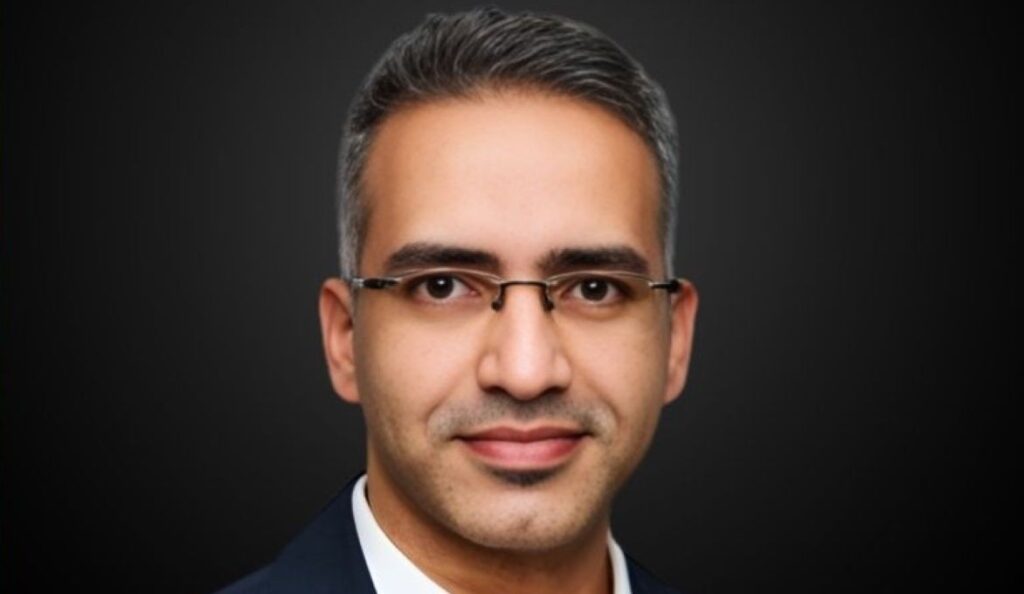
“National Tech Day is a powerful reminder of what India is capable of when ambition meets engineering excellence. This year’s theme, ‘Responsible Innovation for Inclusive Growth,’ sets an important benchmark that the true measure of tech progress isn’t speed of innovation alone, but the breadth of lives it improves and the trust it earns.
At New Relic, we work at the intersection of innovation and accountability. Our AI-strengthened intelligent observability platform gives engineering teams, be it global enterprises or Indian startups, real-time intelligence into how their systems behave, where they fail and how quickly they recover. In a country where a single digital outage can affect hundreds of millions of people using government portals, UPI payments, or healthcare platforms, reliability is a social responsibility.
For New Relic, responsible innovation means deploying AI that’s monitored, measurable and correctable so digital infrastructure performs under peak load on festival days, on exam result days, on election days and more. It means ensuring that the digital experience for users in Bengaluru and Bhagalpur, Kolkata and Kanpur is held to the same standard of quality.
India is powering everything from fintech to agritech, from smart cities to satellite-grade connectivity. Responsible innovation begins with visibility. When you can see exactly how your AI models behave in production, how your applications perform under the stress of millions of users, including first-time internet users in Tier 2 and Tier 3 cities, the guessing stops and guaranteeing inclusive growth begins. That is the difference between technology that serves a few and technology that truly scales for all.
The country is writing the playbook for inclusive digital growth that the world will study for decades. We are honoured to be part of the ecosystem that keeps those systems observable, resilient and trustworthy because growth that can’t be measured can’t be sustained, and innovation that can’t be trusted can’t truly be responsible.” – Ganesh Narasimhadevara, Director of Solutions Consulting, New Relic India
Srinivas Shekar, CEO and Founder, Pantherun Technologies

“National Technology Day 2026 is a reminder that India’s next phase of innovation will depend on the strength of the infrastructure behind it. This year’s theme also reinforces the need to build technologies that are resilient, scalable, and ready for real-world use. Sectors such as logistics, manufacturing, mobility, and urban infrastructure already depend on connected systems that must deliver speed, uptime, interoperability, and security at scale.
Rising data traffic and increased dependence on digital systems are putting greater pressure on infrastructure. Persistent challenges around latency, fragmented networks, and energy demand will shape how technology gets deployed across industries. The focus has to be on infrastructure that performs consistently under real operating conditions and supports long-term growth.
India’s progress in technology is already visible across sectors, driven by strong engineering capability and large-scale deployments. Sustaining this momentum will require infrastructure to be treated as a core part of innovation, not an afterthought. The next chapter of growth will come from systems that are secure, adaptable, efficient, and built to work together at scale.”
Narendra Sen (Founder & CEO, RackBank & NeevCloud)

“AI is the new electricity and India is building the power grid for it. With landmark initiatives like the IndiaAI Mission, a forward-looking data localisation framework, and policy environment that are actively enabling digital self-reliance where India stands at a truly defining moment in its technology journey. But ambition alone does not build a digital economy, infrastructure does. Data centres are no longer just facilities, they are the backbone of our AI future, determining the pace, scale, and sovereignty of everything we build. As enterprises and government bodies accelerate cloud adoption and AI workloads, the readiness of our homegrown infrastructure will determine how fast and how far India can go. We are proud to be part of this national mission, investing in hyperscale, sovereign infrastructure that keeps India’s data, compute, and innovation within its own borders. Bridging India’s infrastructure gap is not just a business opportunity, it is a national responsibility. On National Technology Day, I am confident of one thing that India will not just adopt AI, India will own it.”
Stephanie Barnett, Vice President, Presales APJ, Okta

“National Technology Day isn’t just a celebration of how far we’ve come – it’s a launchpad for where India is going next. We’re moving past technology that just helps into an era of autonomous systems managing complex workflows.
But as AI agents join the workforce as our newest digital colleagues, we have to ask: How do we trust a non-human identity? At Okta, we believe identity is the bedrock of this evolution, and when you nail the identity layer, you don’t have to trade speed for security. You get the best of both.”
Vamsi Karatam, Founder & CEO at proRITHM
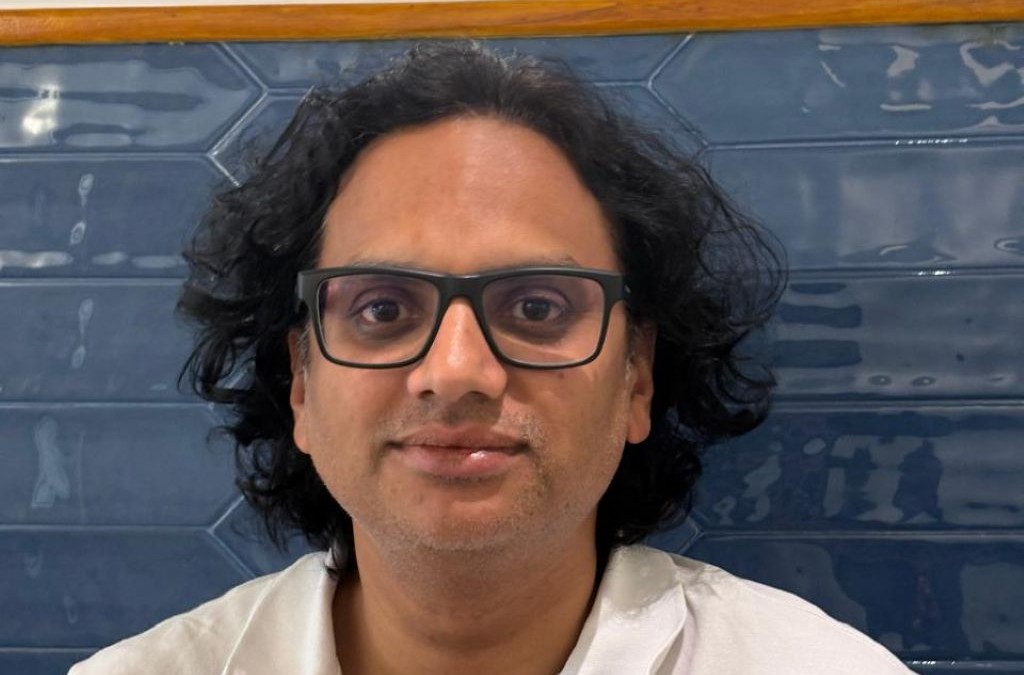
“This National Technology Day, what stands out is how healthcare is slowly becoming more connected to everyday life rather than confined to occasional checkups. For a long time, care has depended on moments, a visit, a test, a report, often missing what happens in between.
Technology is now beginning to close that gap by making it possible to follow health more continuously, not just occasionally. This shift matters because the right insight at the right time can often change outcomes in a meaningful way. At proRITHM, we are working toward making this kind of understanding more accessible, where data can quietly guide better decisions in everyday life. It is a step toward healthcare that feels more connected, more aware, and more in tune with how people actually live, which is what makes this progress truly meaningful on National Technology Day.” Vamsi Karatam, Founder
& CEO at proRITHM
Varun Babbar, VP and India MD, Qlik

“As India accelerates its AI ambitions, one of the key differentiators will be trusted, context-aware, and actionable data. Enterprises today face challenges not because AI capabilities are lacking, but because their data remains fragmented, difficult to access, or disconnected from the business context needed to drive confident decision-making. Qlik helps organizations make more informed decisions while maintaining accountability and compliance by enabling unified access to data that can be trusted, governed, and acted on with confidence. Building on that foundation, India’s growth story will also depend on ensuring the next generation is equipped to participate in it. Qlik’s Academic Program bridges that gap by equipping students and early-career professionals with practical data literacy and analytical skills for the evolving digital economy. As India marks National Technology Day, initiatives like these will play an important role in ensuring that more people can contribute to and benefit from — the country’s AI-led growth.” – Varun Babbar, VP and India MD, Qlik
Milind Shah, Managing Director, Randstad Digital India
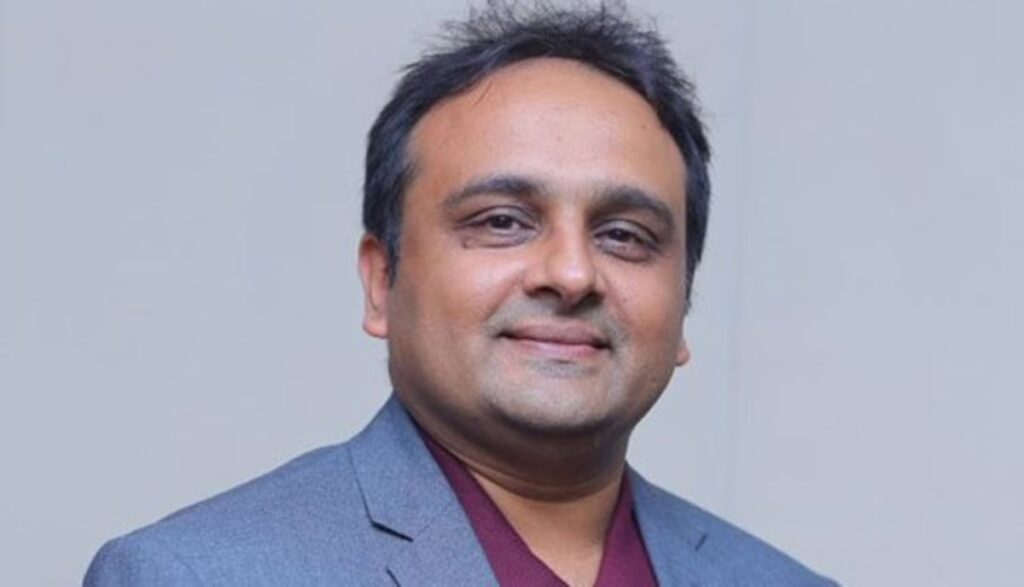
“National Technology Day is an opportunity to recognise the strength of India’s technological achievements, while also focusing on execution capacity as ambition begins to outpace the availability of specialised talent. India is on track to become one of the world’s largest digital infrastructure markets within this decade, supported by sustained investments, policy momentum, and accelerating demand. What now requires equal emphasis is the depth, quality, and readiness of the talent pipeline. AI, cloud, and advanced digital infrastructure rely on highly skilled engineers, architects, and operators capable of managing complex, rapidly evolving environments. Many of these roles have emerged only recently, making workforce readiness a strategic priority rather than a secondary consideration. Addressing this gap will require coordinated action across industry, academia, and policy frameworks to build both scale and specialisation. The long-term success of India’s technology ambitions will be determined not just by the infrastructure it creates, but by the capability of the people who design, operate, and sustain it. The next phase of progress will depend on how effectively we invest in building this human capital at pace and at scale.”– Milind Shah, Managing Director, Randstad Digital India.
Rajiv C Mody, CMD & CEO, Sasken Technologies
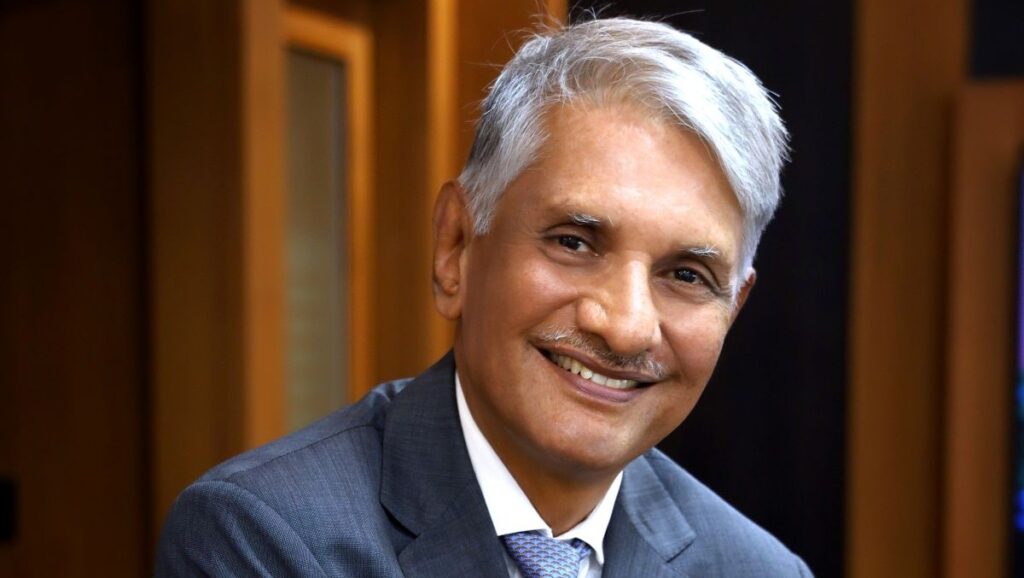
“India’s technology moment will not be defined by how much we build, but by how intelligently and inclusively we deploy it. As AI, semiconductors, and connected systems converge, the real opportunity lies in engineering outcomes, not just outputs.
At Sasken, our ‘chip-to-cognition’ approach is rooted in this belief, bringing together silicon, software, and intelligence to create systems that are not only advanced, but also relevant to real-world challenges. Whether it is enabling smarter mobility or more resilient communication networks, the focus must shift from isolated innovation to integrated impact.
As the pace of technological advancement accelerates globally, the industry’s responsibility is to ensure that innovation scales with purpose, secure, contextual, and accessible. Because the true measure of progress will be how effectively technology improves everyday lives at scale.” – Rajiv C Mody, CMD & CEO, Sasken Technologies.
Sunil Sharma, Managing Director & VP – Sales (India & SAARC), Sophos
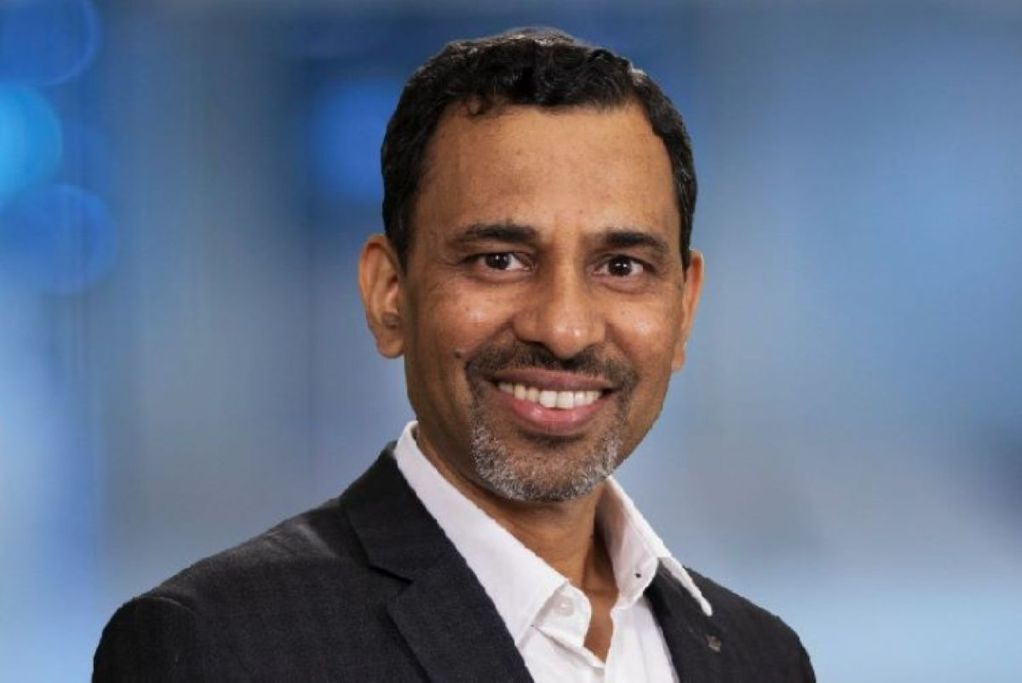
“National Technology Day is a reminder that India’s digital progress is not just defined by how fast we innovate, but by how securely we scale that innovation. As enterprises accelerate their AI and digital transformation journeys, cybersecurity must be treated as foundational infrastructure- enabling trust, resilience and long-term growth. In an AI-first, hyper-connected world, the threat landscape is evolving rapidly. From deepfakes to automated attacks and AI-driven vulnerability discovery, attackers are operating at unprecedented speed and scale. This requires organisations to move beyond reactive security models and adopt continuous, real-time threat detection and response frameworks. At the same time, identity has emerged as the new perimeter. Securing access, validating trust and ensuring visibility across systems is now critical to enterprise security. The shift we are seeing is from compliance-led approaches to resilience-led strategies—where organisations are not just prepared to defend, but to adapt and recover in real time. As India continues to lead in digital adoption, building secure, resilient and responsible technology ecosystems will be key to sustaining that momentum.”
Vishal Rajani, Founder & CEO, Synergos

“For years, technology in marketing was largely about efficiency. Better targeting, faster execution, and refined analytics kept the wheels turning. But AI is changing the role technology plays altogether. We are now living in the era of intelligent marketing, where brands can move beyond broad audience assumptions and understand customer needs in far greater depth, not over weeks or months, but in real time. Campaign cycles have become shorter, sharper, and more targeted.
In a market as diverse as India, where audiences differ across language, region, culture, and consumption behavior, traditional marketing models often struggled to create relevance at an individual level. AI changes that equation, enabling brands to dynamically adapt communication for different consumer journeys without losing authenticity. National Technology Day’s theme, “Responsible Innovation for Inclusive Growth,” also reflects the direction marketing is heading toward. In the coming years, marketing will become far more personal and intuitive, shaped around individual needs, preferences, and pain points. Consumers will not just engage with brands more frequently; they will feel more heard.
What makes this moment even more exciting is that AI is still evolving. Yet, it is already redefining how businesses communicate and connect. By the next National Technology Day, we will likely be discussing advancements that may seem unimaginable today. That is the pace at which technology is evolving and influencing every facet of business. The future will belong to those willing to evolve alongside it. But at its core, its real value will always lie in how meaningfully it helps businesses connect with people. That is the future marketing is moving toward, and it is only getting started.“
Pravir Dahiya, CTO, Tata Teleservices

” National Technology Day is a reminder of how innovation continues to redefine the way businesses operate, compete, and grow. Today, technology is no longer just an enabler, it is the foundation of resilience, agility, and long-term competitiveness. As enterprises and MSMEs accelerate adoption of cloud, AI, and digital platforms, the focus is steadily shifting from adoption to meaningful integration where connectivity, intelligence, and security come together to deliver tangible business outcomes.
The next phase of digital transformation will be shaped by how effectively organizations leverage AI, automation, and analytics to simplify operations and enhance decision-making. At the same time, building secure, reliable, and scalable digital infrastructure will remain critical as businesses become increasingly distributed and data driven.
At Tata Tele Business Services (TTBS), we see this as an opportunity to enable businesses with integrated digital solutions that drive efficiency, enhance agility, and accelerate growth. Backed by robust network foundation and by bringing together connectivity, cloud, collaboration, and cybersecurity, TTBS is committed to helping enterprises and MSMEs unlock the full potential of technology and contribute meaningfully to India’s evolving digital economy.”
Vishal Rally, Chief Revenue Officer, Tata Teleservices

India’s digital transformation is entering a more mature phase, with the focus shifting from access to technology to delivering tangible business outcomes for MSMEs. Today, small businesses are leveraging digital capabilities not just to stay connected, but to drive growth, improve cash flows, and build stronger customer relationships.
Across markets especially in Tier 2 and Tier 3 cities, MSMEs are moving from fragmented tools to integrated solutions that deliver measurable impact. Whether it is seamless communication, business continuity, or cloud-led scalability, technology is becoming central to everyday decision-making. Notably, AI is accelerating this shift by simplifying operations through automation, enabling faster interactions, and unlocking greater value from data. At the same time, cybersecurity has become a core business imperative with trust defined by how securely businesses operate. At Tata Tele Business Services (TTBS), we are focused on enabling MSMEs with smart, resilient, and easy-to-adopt digital solutions that simplify complexity and help enterprises scale with confidence.
As we mark National Technology Day, the next phase of transformation will depend on how seamlessly MSMEs can adopt and integrate these technologies. Making solutions intuitive, outcome-driven, and accessible will be key to helping businesses compete and grow in an increasingly connected economy.” –Vishal Rally, Chief Revenue Officer, Tata Teleservices.
Sharda Tickoo, Country Manager for India and SAARC at TrendAI

“On National Technology Day, we celebrate not just what technology can do but how responsibly and inclusively we choose to shape it. India is at a remarkable inflection point and our AI ambitions are bold but ambitions without proper guardrails is vulnerability at scale. Our research tells us that 4 in 5 Indian organisations are deploying AI under pressure, often faster than governance and security can follow. Technology truly transforms when it is secure enough to be trusted, simple enough to be used, and inclusive enough to benefit all. For a nation building critical infrastructure, digitising public services, and positioning itself as a global technology leader, security cannot be an afterthought to AI advancement. It must be the foundation of it. Robust cybersecurity enables sustainable innovation. TrendAI is committed to empowering enterprises and government institutions to build that foundation, ensuring India’s digital transformation is not only ambitious, and inclusive, but resilient and future ready .” Sharda Tickoo, Country Manager for India and SAARC at TrendAI
Amit Sharma, Co-founder and Chief Technology Officer, Twid

“When AI systems begin making decisions that affect people’s money in real time, responsibility has to be engineered into the architecture itself.
In financial ecosystems, the cost of an error can have huge financial implications. A false fraud flag blocks access to funds, resulting in a poor customer experience. A poorly governed autonomous workflow scales errors instantly. As AI embeds deeper into financial infrastructure, responsibility belongs in system design and architecture.
This means building architectures with traceability, continuous monitoring, model governance, and fail-safe mechanisms as foundational components. People trust systems that consistently do what they promise, and engineers build that consistency through principled system design.
At TWID, we believe the next generation of fintech engineering in India will be defined by how transparently and responsibly these systems make decisions that impact people’s financial lives.”
Vinay Pradhan, Country Manager & Senior Director, India & South Asia, Udemy

“National Technology Day is a motivating reminder to reflect on India’s remarkable journey with technology and look forward to the exciting possibilities ahead. India has made impressive strides in embracing new-age technologies like AI, securing its place among the top countries with AI skills and capabilities. That itself speaks about the nation’s zest for innovation. Even the government, through initiatives like the AI Mission, is equipping the workforce with essential AI skills.
Right now, the focus should narrow to maximizing the value AI brings. As AI evolves into new phases, India’s workforce must keep pace. While many are receiving learning opportunities, our Udemy-YouGov research reveals they’re still navigating their practical application in their specific roles. With technology advancing so rapidly, this gap is natural. To sustain the spirit of innovation and climb the AI ladder, Indian enterprises need a focused approach that drives inclusive growth.
Organizations should meet employees where they are and provide targeted learning experiences that drive their career journeys. No employee, regardless of background or current skill level, should feel detached from these technologies. Instead, learning should be charted so everyone becomes capable of building their own growth path. They can leverage the power of AI to diagnose employee function, goals, and skill gaps to curate personalized learning journeys. It enables businesses to seamlessly embed learning into the flow of work, continuously adapting based on progress to keep it practical, nimble and relevant to specific roles and business outcomes. It empowers employees to apply new capabilities in real time and grow alongside the business.
This well-thought-out plan also aligns with this year’s National Technology Day’s theme: “Responsible Innovation for Inclusive Growth.“ By prioritizing accessible, role-specific AI upskilling, organizations will be able to ensure inclusive growth and ensure their adoption and innovation are responsible. “ – Vinay Pradhan, Country Manager & Senior Director, India & South Asia, Udemy
AS Prasad, Vice President, Product Management, Vertiv
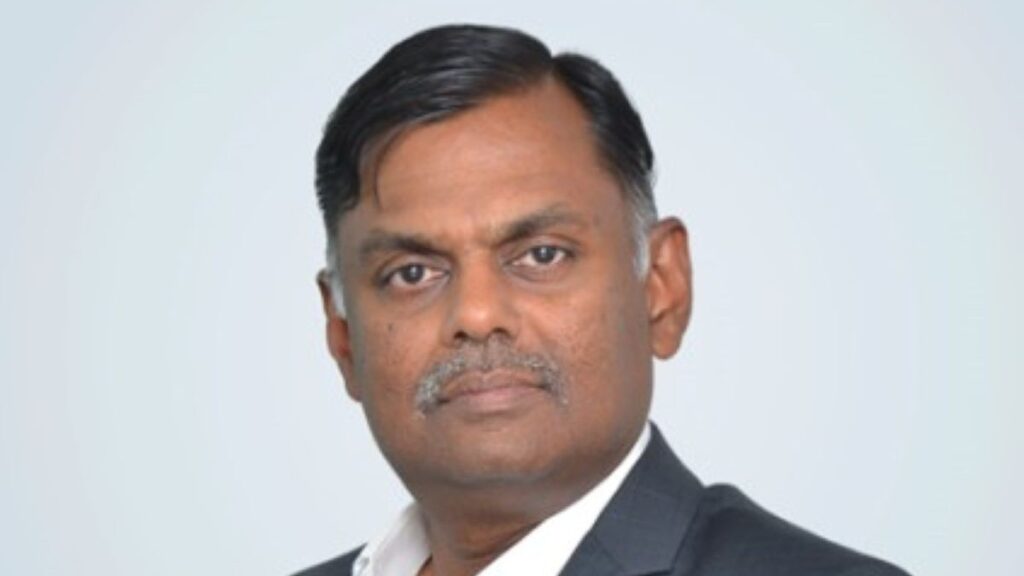
“India crossed a technological threshold in 1998 that quietly changed the trajectory of a nation. Twenty-seven years on, the ambition has scaled, but so has the stakes. The next decade of AI will be won in the infrastructure layer, in the power systems, the cooling architecture, and the data center design decisions being made right now. Vertiv believes in building the critical infrastructure that ensures India’s AI workloads run at the speed and scale the country’s growth demands. National Technology Day is not just a commemoration. It is a checkpoint. And the only question worth asking is whether we are engineering boldly enough for what is coming.”
Venkatesan Vijayaraghavan, Chief Operating Officer, Virtusa Corporation
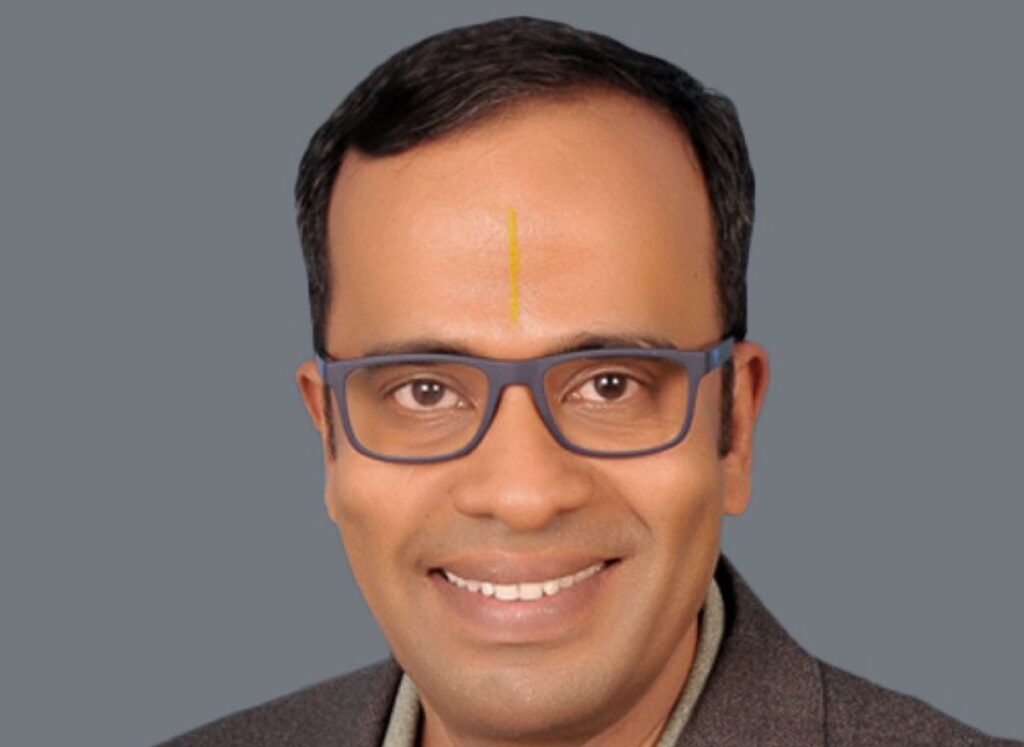
“On National Technology Day 2026, the theme ‘Responsible Innovation for Inclusive Growth’ places the spotlight on how technology is built, deployed, and scaled across real-world environments. Responsible innovation calls for strong data foundations, secure architecture, and clear governance so that systems are reliable and trusted at scale. Inclusive growth comes from ensuring these systems are designed for widespread, everyday use across industries and user segments. In India, where digital infrastructure and enterprise adoption are advancing rapidly, this balance is becoming critical. At Virtusa, we focus on operationalising AI and platform-led models with this discipline, leveraging platforms such as Virtusa Helio to enable organisations to deliver consistent, measurable outcomes while building technology that performs reliably across enterprise environments.” — Venkatesan Vijayaraghavan, Chief Operating Officer, Virtusa Corporation.
Anand Sampath, India Head & CEO of BPS, Visionet Systems

“Indian enterprises are rapidly moving from the experimental stage to enterprise-wide AI adoption. Organizations that succeed in this evolution will be those that integrate governance, security, and human oversight at the core of their AI and cloud strategies. And those who fail at AI will not do so due to a lack of technology, but rather a disregard for “accountability.”
In a rapidly changing geopolitical environment, where data sovereignty, cyber risk, and supply chain resilience are critical, trust is what determines competitive advantage. Therefore, enterprises will need technologies that are stable, secure, and locally adaptable. From a resilience standpoint, AI-augmented operations help reduce risk in global delivery models, reducing location dependency, enabling distributed intelligence, and ensuring continuity amid uncertainty.
This National Technology Day is an opportunity for organizations to recognize that the future of enterprise technology lies in responsible, human-centric AI that boosts productivity, builds trust, and enables inclusive economic participation especially in an uncertain global environment.“
Vara Kumar Namburu, Co-founder, Head of R&D at Whatfix

“As Artificial Intelligence (AI) becomes a cornerstone of innovation in India, its true value lies in simplifying complexity and enabling smarter workflows. Yet, in today’s enterprise world, the tools designed to enhance productivity often create complexity and digital friction. This disconnect impacts not only efficiency but also employee engagement and organizational momentum, ultimately hindering the very progress technology intends to drive. Our approach centers on Userization, to place the user at the heart of every digital experience. Instead of expecting people to adjust to systems, we build systems that adjust to people. The result is technology that is intuitive, contextual, and truly empowering. As demand for digital expertise grows, so does the need to upskill professionals who can lead this transformation. To meet this need, we have launched Whatfix University to empower professionals with future-ready skills that directly contribute to digital transformation, maximize tool adoption, and drive real business value. On this National Technology Day, we are reminded that real digital transformation does not come from adopting the newest tools but from making those tools work for people. It’s about empowering users, removing friction, and creating technology experiences that feel seamless and supportive.
Akash Dhama, Technology Senior Executive, Wells Fargo India and Philippines
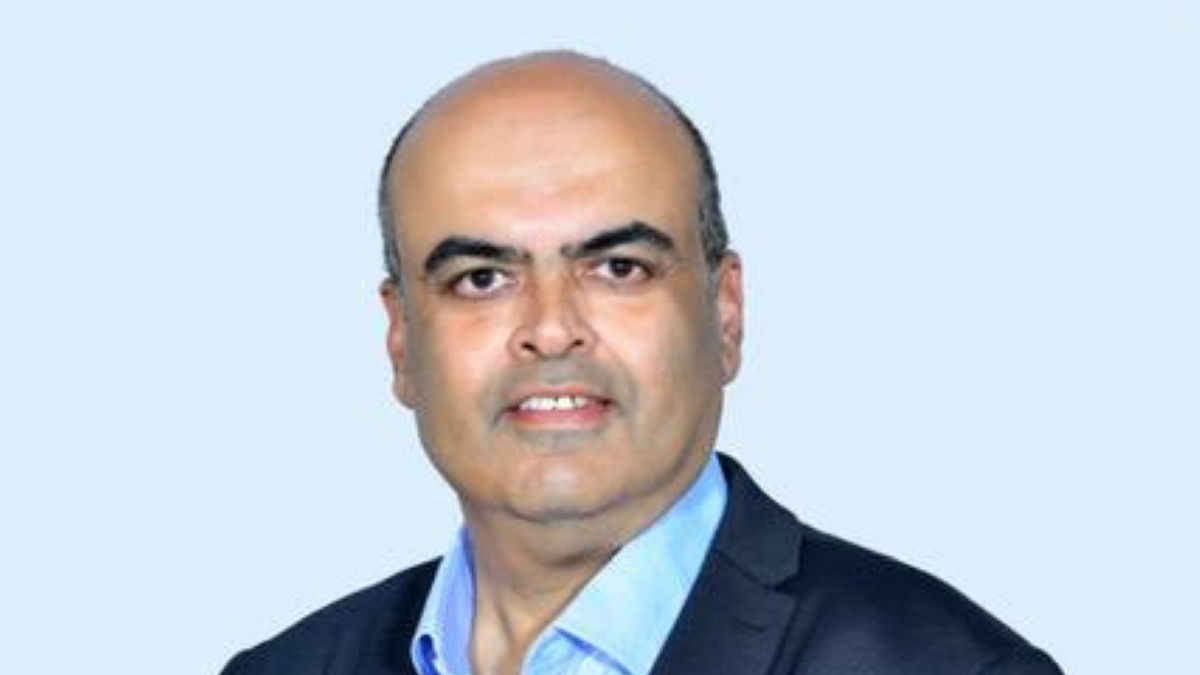
“National Technology Day__ is a moment to recognize how India’s role in global technology has shifted- not just in scale, but in responsibility. Today, India is helping engineer the core systems that underpin the world’s financial services, working in close partnership with global markets, particularly the United States.
Across the industry, technology has become the backbone of modern finance. From AI and data platforms to cloud‑native architectures, these systems are shaping how money moves, how risk is managed, and how trust is sustained in a digital economy. Increasingly, they are being built through deeply integrated, cross‑border teams where India plays a central role in design, leadership, and execution.
This evolution goes beyond incremental innovation. Financial institutions today are building mission‑critical, real‑time platforms, from payments and settlement infrastructure to AI‑driven risk and compliance systems, that must operate securely and resiliently across geographies. India‑based technologists are not only contributing at scale but taking end‑to‑end ownership of platforms that are essential to global stability.
The future of financial technology will be defined by collaboration and trust. It will belong to those who can lead complex transformation across borders. India’s growing importance in shaping and building the world’s modern financial infrastructure reflects how far the ecosystem has come, and how India Technology teams will be shaping the future of global finance.”
Sandhya Arun, Chief Technology Officer at Wipro Limited
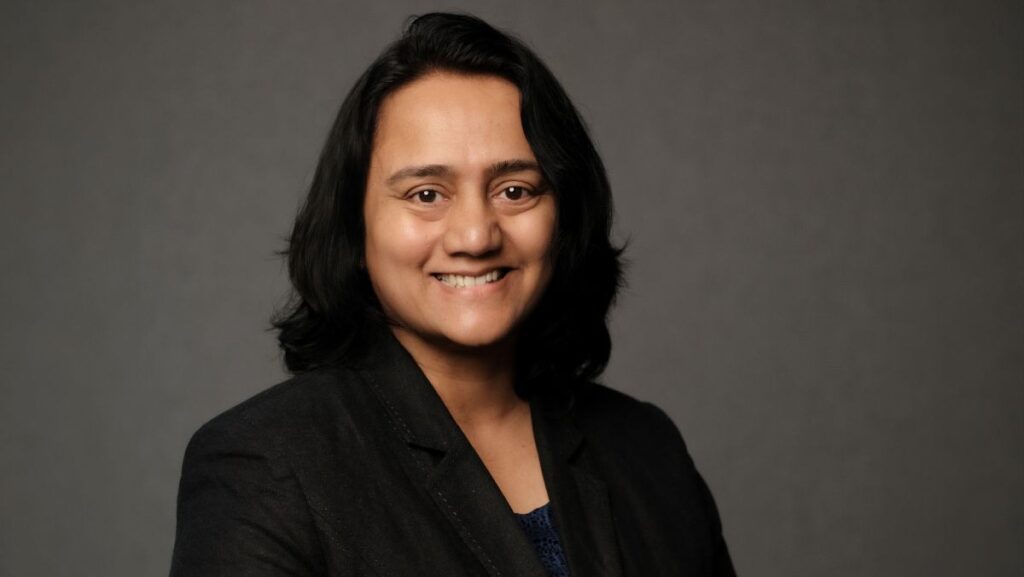
“National Technology Day is not just a celebration of past achievements of our country, but a promise we make to shape a prosperous future for all. As the adoption of every wave of technology accelerates across enterprises and society, we must embrace the use of responsible innovation to improve the quality of lives of our fellow citizens. At Wipro, technology is the primary engine for both Business Growth and Social Impact.
We are navigating an era of increased technology autonomy, and we believe that humans should remain accountable for the outcomes. Technology is a force multiplier and an accelerator to design and develop human centric solutions. Our strategy is anchored in three principles:
- While leveraging agentic systems for scale, human judgment remains in charge to ensure accuracy, consistency, explainability, safety, security, and alignment with ethical standards.
- Guardrails must be embedded into all platforms, solutions, and delivery processes by proactive design and not as an afterthought.
- Architects of technology must reflect global diversity so that solutions remain equitable” –Sandhya Arun, Chief Technology Officer at Wipro Limited
Sudhin Mathur, Chief Operating Officer, Xiaomi India
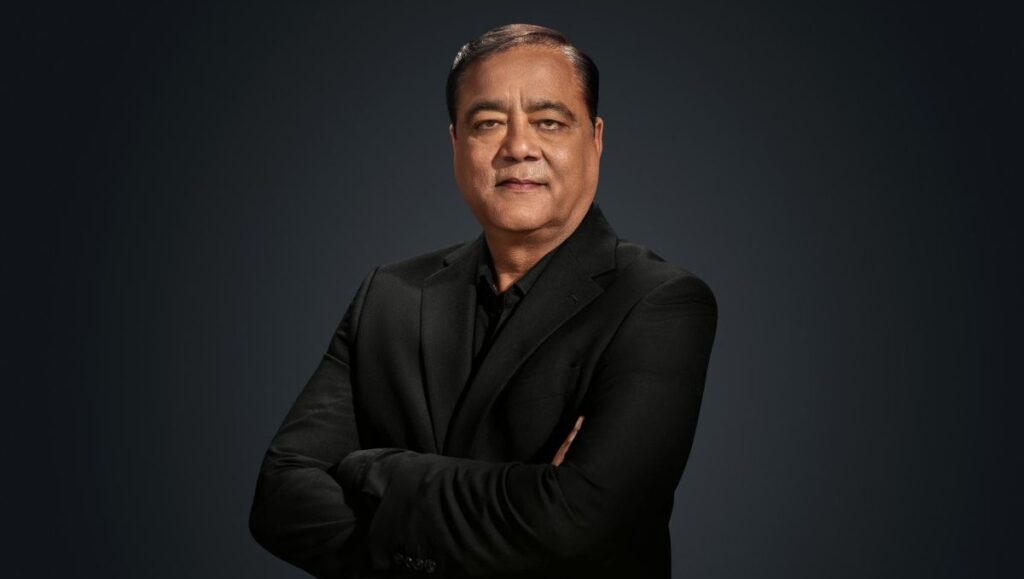
“On National Technology Day, we celebrate innovation that doesn’t just add features but adds clarity and purpose to our lives. At Xiaomi, we view AI not as a standalone strategy, but as a core capability – an invisible layer that makes everyday experiences more intuitive and seamless.
This shift reflects across our ‘Human × Car × Home’ strategy, where AI-led capabilities move beyond simple connectivity into an intuitive environment that anticipates user needs. By anchoring our technological reach in human-centric purposes, we ensure technology amplifies human potential rather than just automating it. Supported by India’s strengthening electronics manufacturing policies, we are committed to an India-first strategy that deepens this ecosystem, ensuring that as we lead in global technology, we remain focused on purposeful, human-centred innovation.” – Sudhin Mathur, Chief Operating Officer, Xiaomi India